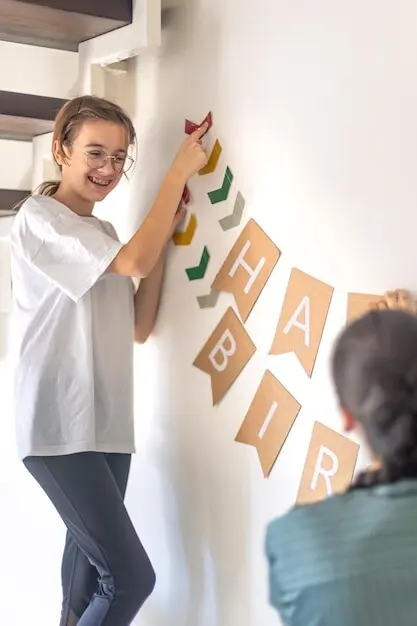
See Progress Take Shape

Today we explore Visual Templates to Map Everyday Competencies and Milestones, turning abstract growth into tangible shapes you can see, share, and celebrate. From simple grids and timelines to playful badges and journeys, discover practical ways to capture skills, encourage momentum, and make improvement feel visible, motivating, and meaningful every single day.

Why Pictures Move Progress Forward

Images compress complexity, reduce cognitive load, and invite quick comparisons that words alone often hide. When you map capabilities and steps visually, patterns emerge sooner, feedback arrives faster, and motivation strengthens because progress looks concrete, approachable, and shareable with peers, mentors, family, and teams across varied contexts.

Designing Clarity: Layouts That Work

Thoughtful layouts turn data into stories. Choose formats that match the behavior you intend to reinforce: sequential timelines for stages, kanban lanes for flow, grids for competency depth, and journey maps for emotional checkpoints that ensure progress remains humane, sustainable, and hopeful.

From Kitchen Tables to Team Rooms

These practices flourish anywhere people learn, heal, parent, teach, and collaborate. Whether you are guiding a child’s morning routine, onboarding a colleague, rebuilding strength after injury, or mastering instruments, visible progress cues align expectations, reduce conflict, and turn quiet effort into shared celebration.

Psychology Behind What Sticks

Dual-coding theory, cue-dependent recall, and progress framing together explain why pictures plus labels beat lists alone. Visual anchors strengthen memory traces, reduce cognitive strain, and deliver feedback faster, enabling consistent practice loops that convert shaky beginnings into reliable skills and kinder self-narratives.

Make Cues Unmissable

Place templates where action happens—by the sink, near the instrument, inside the lunch area—so friction drops. Color, contrast, and spacing matter because instant legibility prevents micro-delays, preserving precious willpower for learning itself rather than constant search, decision fatigue, or avoidable confusion.

Reward the Right Signals

Celebrate evidence of process—attempts, reflections, and tiny risk-taking—rather than only outcomes. When your template highlights repetitions, notes obstacles, and captures support requests, you ritualize resilience, making it more likely you will return tomorrow with curiosity, courage, and measurable guidance on where to improve.

Narratives Shape Identity

Visible maps shift self-talk from failure to learning, especially during slow stretches. By authoring a visual story that honors context and constraints, you protect dignity, invite supportive witnesses, and maintain hopeful identity commitments that survive setbacks and keep momentum ready for reentry.

From Paper to Pixels

Start on sticky notes or printable trackers, then scale to digital boards when collaboration, reminders, or analytics help. The medium should serve attention, accessibility, and privacy, not the other way around. Choose tools that remain simple as life grows beautifully complicated.

Stories That Changed the Routine

Real people find relief, structure, and lightness when progress becomes visible. A teacher redesigned feedback using simple matrices, a chef apprentices with a badge path, and a runner returned from burnout by mapping rest days first. These snapshots inspire practice, not perfection.
Frustrated by late assignments and hazy objectives, Maya built a weekly grid listing inquiry skills, collaboration moves, and reflection prompts. Students colored their confidence radars, set micro-goals, and requested peer help. Within six weeks, submissions improved, stress dropped, and parent meetings finally felt constructive.
Aiden tracked knife skills, stations, and service rhythms with playful badges and a visible ladder. Mentors left notes on timing and sanitation, and promotions mapped to demonstrated autonomy. Confidence rose steadily because growth looked undeniable, and setbacks signaled focus areas rather than personal failure.
After injury and exhaustion, Ren sketched a month showing rest, walks, and playful strength days. Endurance tracked as colored bands, not numbers. Seeing rest honored built trust, and energy stabilized as training synchronized with sleep, meals, weather, and real-life responsibilities beyond the track.

Start Your Map Today

Begin with a single routine you care about and sketch the steps, expected feelings, and small celebrations. Share a snapshot with a friend, colleague, or our community, ask for one improvement idea, and revisit weekly. Subscribe for printable templates, stories, and gentle nudges to keep going.
Novidariteli
Privacy Overview

This website uses cookies so that we can provide you with the best user experience possible. Cookie information is stored in your browser and performs functions such as recognising you when you return to our website and helping our team to understand which sections of the website you find most interesting and useful.